




Introduction
Software as a Service (SaaS) has transformed how businesses and individuals consume software. Instead of installing and maintaining applications locally, users now access powerful tools through a web browser, paying only for what they use. From project management platforms and CRMs to accounting tools and AI-driven analytics, SaaS applications are everywhere. However, behind every successful SaaS product lies a robust and flexible hosting environment.
One of the most critical requirements for SaaS success is scalable cloud hosting. Unlike traditional hosting models, scalable cloud infrastructure allows SaaS applications to grow, adapt, and perform reliably under changing demand. In a market where user expectations are high and competition is fierce, scalability is no longer optional—it is essential.
Understanding Scalability in Cloud Hosting
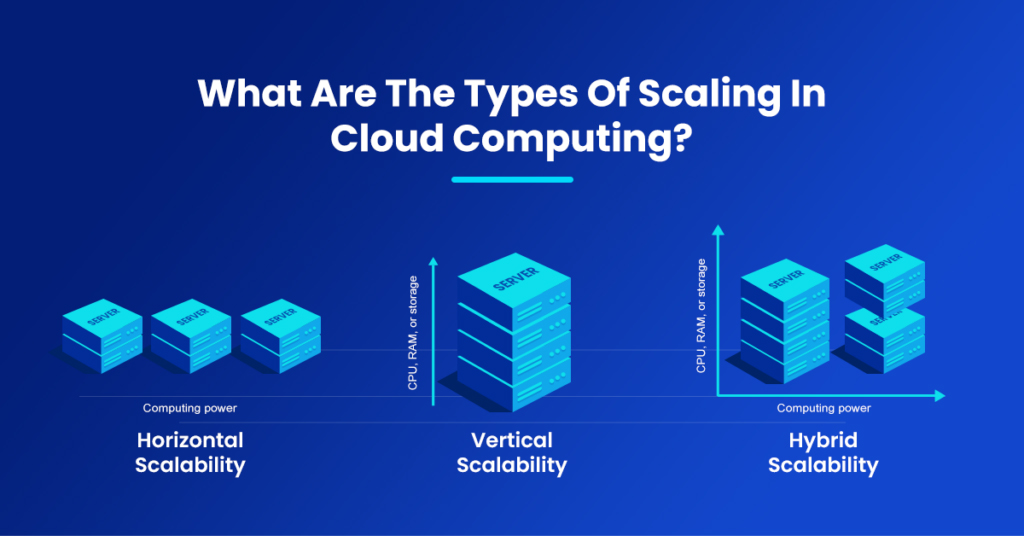
Scalability refers to the ability of a system to handle increased workload without sacrificing performance. In cloud hosting, scalability usually comes in two forms:
-
Vertical scalability: Increasing the resources of a single server, such as CPU, RAM, or storage.
-
Horizontal scalability: Adding or removing servers to distribute workloads more efficiently.
Cloud platforms excel at horizontal scalability, allowing SaaS providers to automatically allocate resources based on real-time demand. This elasticity ensures that applications remain responsive whether they have 100 users or 1 million.
Unpredictable User Growth and Traffic Spikes
One of the defining characteristics of SaaS businesses is unpredictable growth. A successful marketing campaign, a viral feature, or a sudden shift in market demand can lead to rapid increases in traffic. Traditional hosting environments struggle with such spikes, often resulting in slow load times or downtime.
Scalable cloud hosting enables SaaS applications to respond instantly to these changes. Resources can be scaled up during peak usage and scaled down when demand decreases. This flexibility ensures consistent performance and prevents the reputational damage caused by outages or sluggish applications.
Performance and User Experience
User experience is at the heart of SaaS success. If an application is slow, unresponsive, or unavailable, users will quickly move to a competitor. Scalable cloud hosting plays a crucial role in maintaining optimal performance.
By distributing workloads across multiple servers and data centers, cloud hosting minimizes latency and reduces the risk of bottlenecks. Load balancing ensures that no single server is overwhelmed, while auto-scaling keeps response times fast even during heavy usage. As a result, users enjoy a smooth and reliable experience, which directly impacts retention and customer satisfaction.
Cost Efficiency and Pay-as-You-Go Models
For SaaS companies, especially startups and growing businesses, cost management is critical. Investing in large, fixed server infrastructures can be expensive and inefficient, particularly during early stages when demand is uncertain.
Scalable cloud hosting operates on a pay-as-you-go model. SaaS providers only pay for the resources they actually use. When user activity is low, costs remain minimal; when demand increases, resources scale accordingly. This approach eliminates the need for overprovisioning and allows businesses to allocate capital more strategically, focusing on product development and customer acquisition rather than unused infrastructure.
Reliability and High Availability
Downtime can be devastating for SaaS applications. Even a few minutes of unavailability can lead to lost revenue, frustrated customers, and damaged trust. Scalable cloud hosting enhances reliability through built-in redundancy and failover mechanisms.
Cloud environments typically distribute applications across multiple servers and geographic regions. If one server or data center fails, traffic is automatically redirected to another. This high-availability architecture ensures continuous operation and protects SaaS businesses from hardware failures, natural disasters, or unexpected outages.
Security and Compliance at Scale
Security is a top concern for SaaS providers, especially those handling sensitive customer data. Scalable cloud hosting offers advanced security features that are difficult and costly to implement in traditional hosting setups.
Cloud providers invest heavily in security measures such as encryption, firewalls, intrusion detection, and regular vulnerability assessments. As SaaS applications scale, these security features scale with them. Additionally, cloud platforms often support compliance with international standards and regulations, making it easier for SaaS businesses to meet legal and industry requirements as they expand into new markets.
Faster Innovation and Time to Market
In the SaaS industry, speed matters. Companies that can innovate quickly and release new features faster gain a competitive advantage. Scalable cloud hosting supports agile development by providing on-demand environments for testing, staging, and deployment.
Developers can spin up new resources in minutes, experiment with new features, and deploy updates without disrupting existing users. This flexibility accelerates development cycles and enables SaaS companies to respond rapidly to customer feedback and market trends.
Supporting Global Expansion
As SaaS businesses grow, they often expand beyond their original markets. Serving a global user base requires infrastructure that can deliver consistent performance across different regions. Scalable cloud hosting makes global expansion feasible by offering data centers around the world.
By hosting applications closer to end users, SaaS providers reduce latency and improve load times. This localized performance enhances user satisfaction and allows businesses to compete effectively on a global scale without building their own international infrastructure.
Disaster Recovery and Business Continuity
No system is immune to failure, but scalable cloud hosting significantly improves disaster recovery capabilities. Automated backups, replication, and rapid resource provisioning ensure that SaaS applications can recover quickly from unexpected incidents.
In the event of data loss or system failure, cloud-based disaster recovery solutions minimize downtime and data loss. This resilience is essential for maintaining customer trust and ensuring long-term business continuity.
Conclusion
Scalable cloud hosting is the backbone of modern SaaS applications. It provides the flexibility, performance, reliability, and cost efficiency needed to thrive in a dynamic and competitive environment. From handling unpredictable growth and ensuring high availability to enabling rapid innovation and global expansion, scalability touches every aspect of a SaaS business.
As user expectations continue to rise and digital transformation accelerates, SaaS providers that invest in scalable cloud hosting position themselves for sustainable growth and long-term success. In today’s SaaS landscape, scalability is not just a technical advantage—it is a strategic necessity.
Recent Posts
- How Quantum Computing Will Transform Data Centers and Cloud Hosting
- The Impact of Quantum Computing on Hosting: Security, Performance & the Future of Data Centers
- The Role of AI in Web Hosting
- Budget Hosting Problems and How to Overcome Them
- Hosting for International Websites: Challenges and Solutions
Now, If you want then buy a good, reliable, secure web hosting service from here: click here
In Conclusion, If you enjoyed reading this article and have more questions please reach out to our support team via live chat or email and we would be glad to help you. In Other Words, we provide server hosting for all types of need and we can even get your server up and running with the service of your choice.